
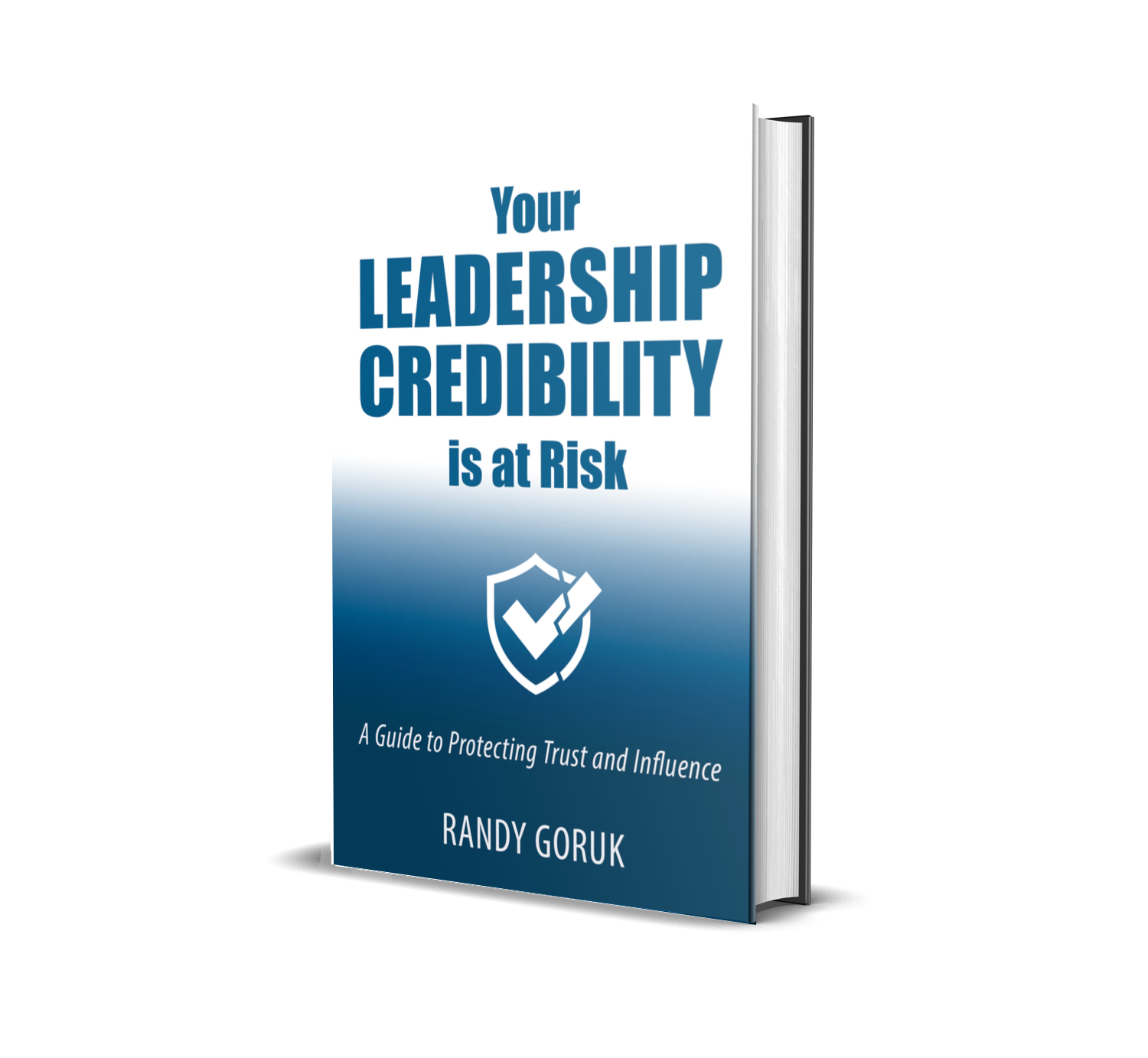
Why I Wrote This Book
I wrote this book because I want to help you protect and strengthen your leadership credibility. I have seen too many capable, well-intentioned leaders undermine themselves without realizing it and I don’t want to see the same thing happen to you.
Over the years, I have worked with leaders across construction, manufacturing, and building materials. Many are technically strong, committed to their people, and deeply invested in their organizations. Yet the challenges they face are remarkably consistent. Credibility issues are often a result of poor judgement, character flaws, a lack of self-awareness and in some cases incompetence.
I have watched also leaders lose influence not because they made one catastrophic mistake, but because of the little things becoming big things. They tolerated small compromises for too long. They avoided conversations they knew they needed to have. They sent mixed messages under pressure. They held others accountable but quietly exempted themselves.
In some cases, the cost was disengaged teams, higher turnover, or stalled performance. In others, the cost was far more personal. Lost trust. Damaged reputations. Careers that never fully recovered.
This book is a distillation of what I have observed, experienced, and learned working alongside leaders who genuinely want to get better. It is not about calling people out. It is about calling attention to behaviors that quietly weaken leadership credibility over time.
If this book makes you pause, reflect, or feel slightly uncomfortable at moments, that is by design. Leadership growth rarely happens without honesty.
My hope is that this book helps you protect what matters most in leadership: trust, respect, and the willingness of others to follow you.
Chapters
Chapter 1 – When Your Words and Actions Don’t Match
Credibility erodes the moment people notice a gap between what you say matters and what you actually do.
Chapter 2 – Tolerating Mediocrity and Calling It Loyalty
Your best people pay the price when poor performance is allowed to linger.
Chapter 3 – Avoiding Tough Conversations That Need to Happen
Unspoken issues do not disappear. They quietly undermine your leadership.
Chapter 4 – Inconsistency Under Pressure
Stress does not create leadership problems. It exposes them.
Chapter 5 – Playing Favorites and Pretending You’re Not
Perception matters more than intent when trust is on the line.
Chapter 6 – Micromanaging in the Name of Accountability
Control may feel productive, but it slowly kills ownership.
Chapter 7 – Failing to Hold Yourself to the Same Standard
Credibility ends the moment accountability becomes optional for you.
Chapter 8 – Ignoring Behavior While Rewarding Results
What you tolerate in how results are achieved defines your culture.
Chapter 9 – Overpromising and Under-Delivering
Every broken commitment weakens confidence in your leadership.
Chapter 10 – Being Too Busy to Listen
When leaders stop listening, people stop contributing.
Chapter 11 – Leading from Assumptions Instead of Facts
Unchecked assumptions quietly drive poor decisions.
Chapter 12 – Letting Ego Override Judgment
Needing to be right often costs leaders what matters most.
Chapter 13 – Failing to Address Low Performers Quickly
Delay signals acceptance, whether you intend it or not.
Chapter 14 – Saying “Yes” When You Should Say “No”
Short-term approval often creates long-term credibility damage.
Chapter 15 – Avoiding Ownership When Things Go Wrong
Credibility is tested most when outcomes fall short.
Chapter 16 – Sending Mixed Messages About Priorities
Confusion is a leadership problem, not a people problem.
Chapter 17 – Confusing Authority with Influence
Titles may grant authority. They do not guarantee trust.
Chapter 18 – Waiting Too Long to Act
Indecision communicates more than silence ever could.
Chapter 19 – Not Developing the People Who Depend on You
Leaders lose credibility when growth becomes optional.
Chapter 20 – Believing Credibility Is Permanent
Trust is never owned. It is only maintained.
Please let me know when this book becomes available.